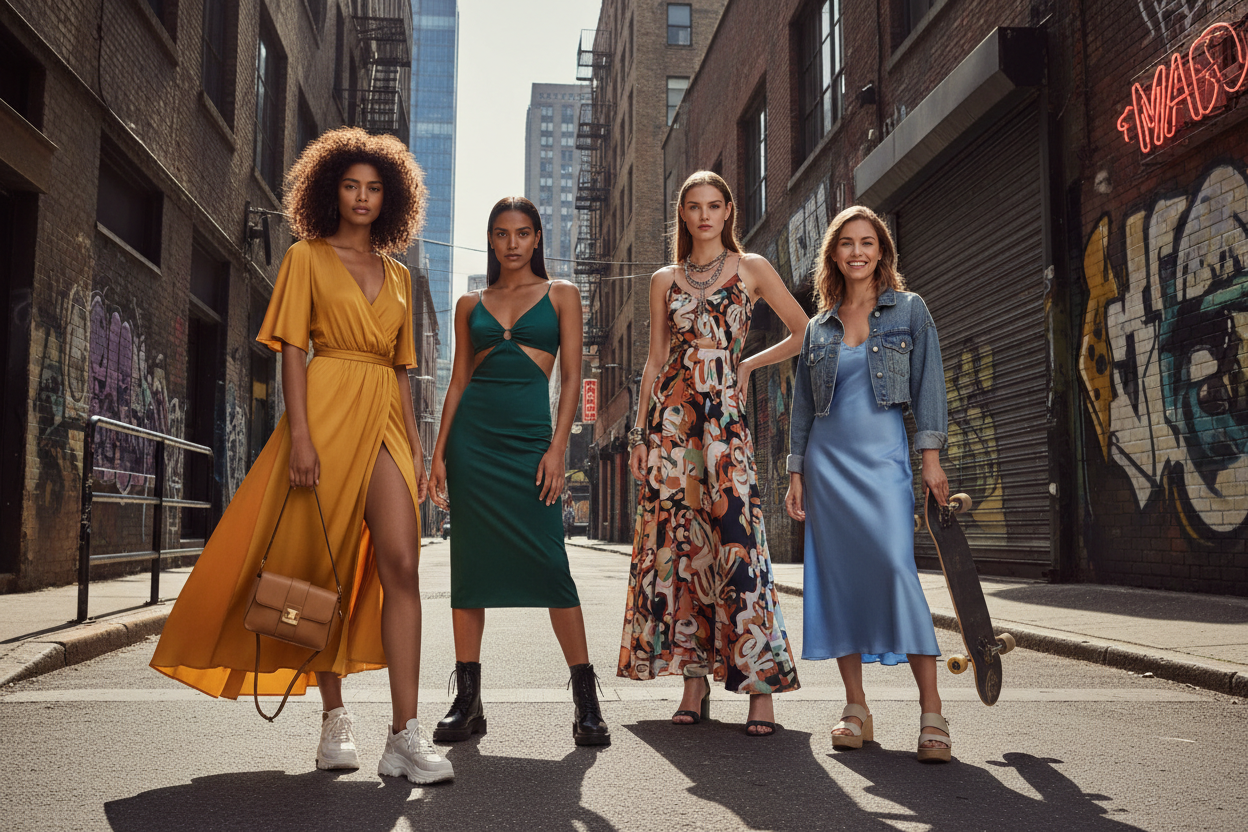
Article: The New Street Standard
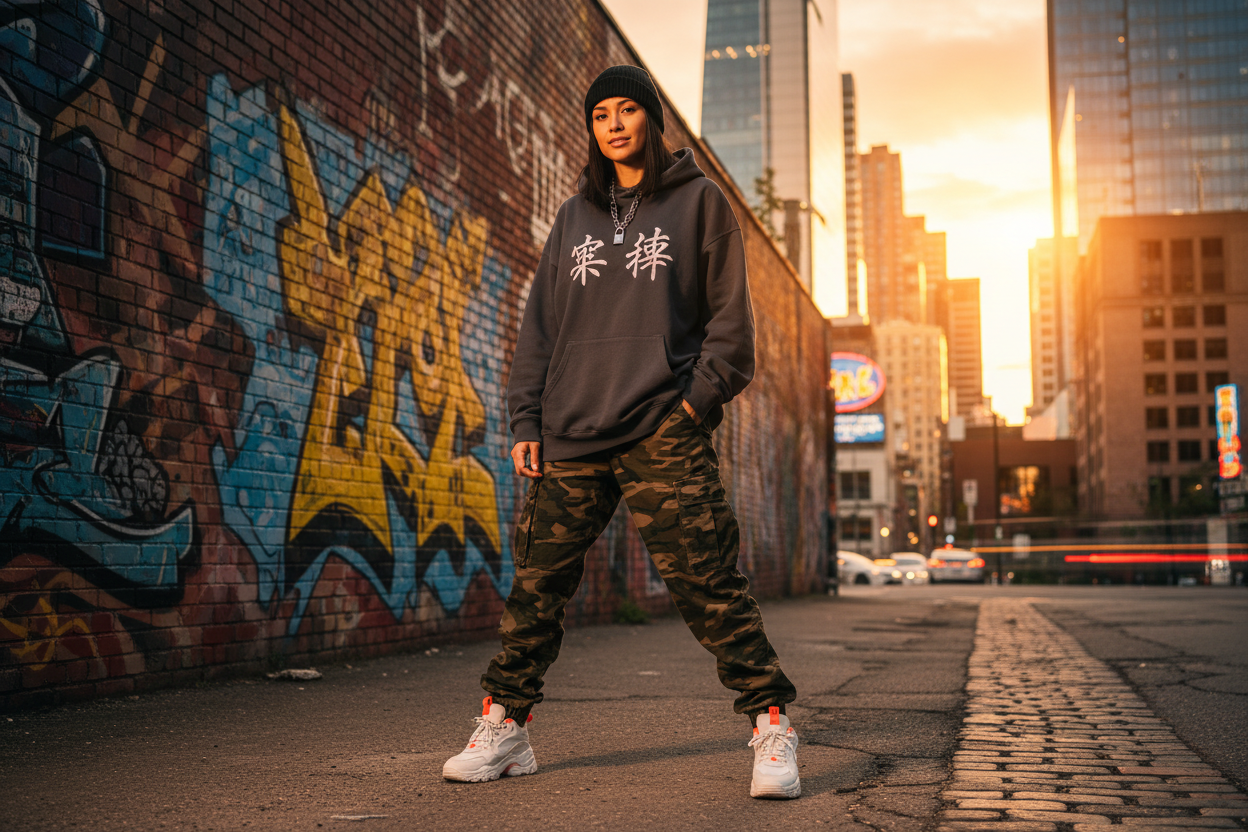
The New Street Standard
The Balance Between Comfort and Structure
Modern clothing often moves between two extremes. On one side there is structure: garments designed with defined silhouettes and clear proportions. On the other side there is comfort: clothing that prioritizes ease of movement and relaxed wear.
The challenge for contemporary design is not choosing one over the other, but finding the balance between them.
A well-designed garment holds its shape while still allowing the wearer to move naturally. Structure creates presence, while comfort ensures the piece remains practical for everyday life.
At Arlo, this balance forms the foundation of design decisions. Silhouettes are refined enough to create visual clarity, yet relaxed enough to integrate into daily routines.
Clothing that achieves this balance rarely feels temporary. It becomes part of a wardrobe that works across different environments and moments without requiring constant adjustment.
Why Simplicity Remains Powerful in Fashion
Fashion often celebrates complexity. Layers, textures, bold statements, and dramatic silhouettes frequently dominate attention.
Yet some of the most enduring garments are the simplest ones.
Simplicity allows design to focus on proportion and form. Without excessive detail, the structure of the garment becomes the central element. The balance between lines, seams, and movement becomes more visible.
This clarity often results in clothing that feels both modern and timeless.
Rather than competing for attention, simple garments create space for personal style to emerge. The wearer becomes the defining element, not the decoration of the clothing.
For this reason, simplicity continues to play an important role in contemporary fashion design.
Building a Wardrobe with Intention
A thoughtful wardrobe rarely appears all at once. It develops gradually through observation and experience.
Over time, people begin to recognize which garments feel natural to wear. Certain silhouettes feel balanced, certain materials feel comfortable, and certain designs integrate easily into everyday life.
These patterns begin to shape future choices.
Instead of collecting pieces randomly, the wardrobe grows with intention. Each addition supports the overall structure rather than competing with it.
This approach creates clothing that works together naturally. The result is not simply variety, but coherence.
When garments share a clear sense of proportion and purpose, the wardrobe becomes easier to use and more consistent in appearance.
Style, in this sense, is not about having more options. It is about making better ones.